New York Fashion Week has come a long way. Gone are the days of the tents at Bryant Park and the nostalgia of pioneer 90s designers—think Marc Jacobs, Donna Karan, and Michael Kors. A new class has emerged, along with a new type of fashion show.
Last season, the Starret-Lehigh Building in Chelsea was the centralized location of NYFW; seasons before then, SoHo’s Spring Studios was the home base. This year, New York Fashion Week was more significant than ever, with no set location, spanning different locations across the city.
Without a central home, designers took the liberty of choosing and making each venue their own. Tommy Hilfiger picked a decommissioned and now permanently docked ferry for his show. Luar closed off the famous New York landmark Rockefeller Center and turned it into a runway. And Uptown, Pieter Mulier brought Alaïa to the Guggenheim Museum.
With each year, NYFW brings the unexpected, and designers are enhancing their shows into productions, crafting them to find their brand.
I feel that Fashion Week, throughout the years, has become more of a performance in 360 experiences, rather than just a show where people walk, and you appreciate the clothes. They set up centers and environments that help the clothes live using locations like the Rockefeller Center,” says Eduardo Holguin, L’Oreal Beauty Creative Director and Content Creator, who attended NYFW this year.
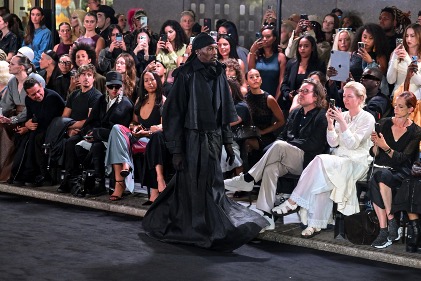
It’s incredible how designers adapt and interpret their own design style in the types of events they do. For instance, the Luar show happened at the Rockefeller Center, and it was more grunge and edgy; where they adjusted all the flats of the Rockefeller Center to match the logo, and all the styles of the actual pieces were very satin, shiny, and used of a lot of buckles and belts.”
After this season, many speculate about the future of Fashion Week. While it may not be comparable to staging in Milan or Paris, NYFW is known for its charm in adapting to changes and always keeping the world on its toes.
 Nicole Tipon
Leave a comment